White Fabric Digital Paper White Texture: A Designer's Guide to Subtle Elegance
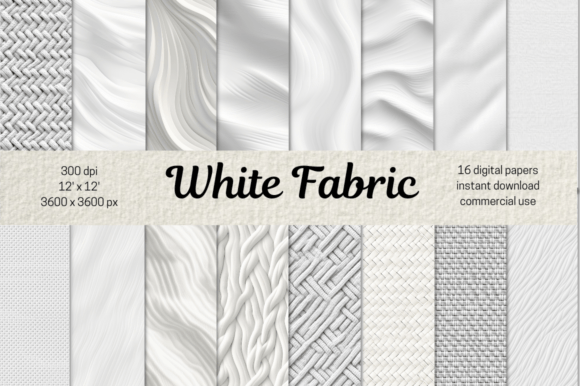
In the world of digital design, the most powerful elements are often the quietest. A stark white background can feel clinical, while a busy pattern can overwhelm. The White Fabric Digital Paper White Texture exists in that perfect middle ground—a subtle, tactile foundation that adds depth and sophistication without demanding attention. It’s not just a background; it’s a design asset that communicates quality, calm, and intentionality. This texture, with its soft, woven appearance, mimics the gentle creases and fibers of linen or cotton, bringing a human, organic feel to digital and print projects alike.
Visually, this texture is a masterclass in understated personality. It doesn’t shout; it whispers. The pattern is delicate, creating a sense of warmth and materiality that a flat, digital white cannot achieve. Its style is inherently versatile, leaning towards classic, minimalist, and even rustic aesthetics depending on what it’s paired with. The overall appeal lies in its ability to ground a design, providing a stable, neutral canvas that elevates foreground elements—be they typography, images, or graphics—by offering gentle contrast and tactile interest.
Where This Texture Truly Shines
The strength of the White Fabric Digital Paper White Texture is its chameleon-like adaptability. It works exceptionally well in projects where a touch of humanity and warmth is desired. For brand identity and logo design, it can serve as the primary background for business cards, letterheads, and brand style guides, suggesting a brand that values craftsmanship and clarity. In editorial design and packaging design, it’s ideal for creating clean, airy layouts for lookbooks, minimalist product packaging, or wedding stationery where elegance is paramount.
Digital applications are equally strong. As a background for web design, it can soften the interface of a portfolio site, a boutique e-commerce store, or a blog focused on lifestyle or design. For social media graphics, it provides a consistent, professional backdrop that makes text and product photos pop. Beyond commercial use, it’s a favorite for personal projects like scrapbooking, junk journaling, and creating invitation cards, where its soft texture adds a handmade, sentimental quality.
Making It Work: Practical Application Tips
Using a texture like this effectively requires more than just applying it as a fill. Consider how it influences your entire design system. The subtle fabric pattern can actually improve readability for body text by reducing the harsh glare of a pure white background, making long-form reading more comfortable. It helps establish a clear visual hierarchy because its low-contrast nature allows bolder elements like headings, buttons, and images to stand out effortlessly.
From a brand perception standpoint, consistent use of this texture can build recognition and convey a specific brand personality: one that is authentic, thoughtful, and detail-oriented. It projects professionalism without being sterile, and consistency across all touchpoints—from a website header to a printed invoice—creates a cohesive and memorable experience for the audience.
Choosing and Pairing Your Typeface
The White Fabric Digital Paper White Texture acts as a neutral partner to a wide range of typography. However, thoughtful pairing is key. For a classic, sophisticated look, pair it with a clean serif font for body text and a contrasting sans serif font for headlines. This combination leverages the texture’s warmth while maintaining modern clarity. If your project calls for a more personal or artisanal feel, a script font or a handwritten font for accent text or logos can work beautifully, with the texture providing a grounded base that prevents these decorative fonts from feeling frivolous.
When evaluating font pairing, always test your chosen typeface directly on the texture. The goal is to ensure the letterforms remain legible and distinct against the subtle pattern. The texture should enhance, not compete with, your typography. Consider the included styles within your chosen premium font family—weights like regular, italic, and bold—to create hierarchy without introducing another visual element.
Evaluating Project Fit and Licensing
Before committing, assess if the texture’s personality aligns with your project’s core message. It’s perfect for projects aiming for serenity, elegance, or organic appeal. It might be less suitable for designs requiring high-energy, futuristic, or gritty aesthetics. Always check the licensing for the commercial font and texture bundle to ensure it covers your intended use, whether for client work, products for sale, or personal projects.
In practice, start by applying the White Fabric Digital Paper White Texture to a single key element, like a hero image background or a main content area. Observe how it interacts with your color palette, images, and other design assets. This iterative testing is crucial for achieving the right balance. When used with intention, this simple texture becomes a powerful tool for crafting designs that feel both polished and profoundly human.