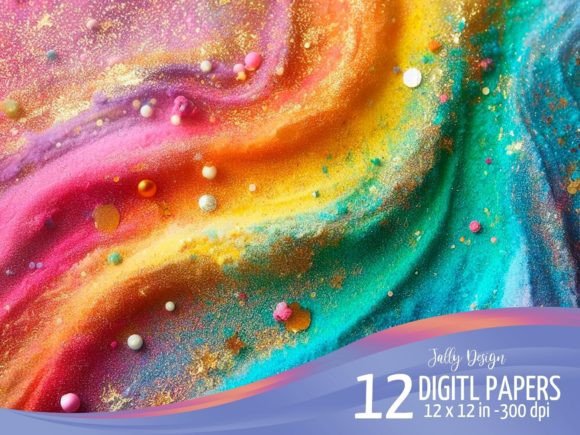
Unlock Creative Possibilities with Rainbow Powder Texture Digital Paper
A Versatile Design Asset for Modern Projects
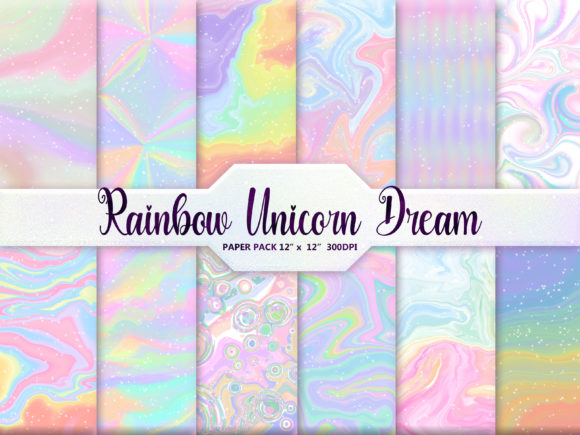
You know that moment when a design feels flat, despite having solid typography and a good layout? Sometimes what’s missing isn’t another font or a new logo—it’s texture. Rainbow Powder Texture Digital Paper brings that missing layer of visual interest, offering a pack of beautiful, AI-generated illustrations that mimic the soft, organic feel of powder pigments scattered across a surface. Each 12x12 inch file arrives at 300dpi in .JPEG format, ready for both digital screens and high-quality prints. Zoom in on any detail, and you’ll find subtle gradients, unexpected color bleeds, and a tactile quality that static backgrounds often lack.
This isn’t just another set of pattern swatches. The textures feel alive—like someone swept a brush through crushed minerals, leaving behind trails of magenta, teal, gold, and violet. They carry a sense of movement and spontaneity that’s hard to replicate with solid fills or geometric patterns. For designers, marketers, and content creators, that kind of visual personality can transform a project from competent to memorable.
Where Texture Meets Strategy: Practical Applications
Think about the last time you received an invitation that made you pause—maybe a wedding suite with a watercolor wash, or a product launch card with a subtle linen texture. Texture creates emotional resonance. It suggests craft, care, and intention. Rainbow Powder Texture Digital Paper works on that same principle, but with a vibrant, contemporary edge. Use it as a background for social media graphics where you need to stop the scroll. Layer it beneath a minimalist logo to add depth without competing with your brand identity. Print it as wrapping paper for a boutique product, or incorporate it into packaging design to give shelf presence a tactile quality.
For editorial design, these textures can replace sterile white margins in magazines or lookbooks. They work beautifully behind pull quotes, chapter dividers, or even as full-bleed backgrounds for portfolio pages. Bloggers and publishers can use them to create cohesive visual themes across a series of posts, especially when promoting creative products or lifestyle content. The 300dpi resolution means you can crop tightly into the texture for close-up details without losing clarity—a practical advantage when you need flexibility in layout.
Pairing with Typography for Maximum Impact
Texture alone won’t carry a design. It needs the right typographic counterpart. A serif font with elegant strokes pairs well with the organic, flowing nature of the powder textures, especially for luxury branding or formal invitations. A clean sans serif font can create striking contrast, letting the texture breathe while maintaining readability for body copy or digital interfaces. If you’re working on a playful project—say, a children’s brand or a creative workshop poster—consider pairing the textures with a script font or handwritten font to reinforce that handcrafted feel.
The key is balance. If the texture is busy, simplify your type hierarchy. If you’re using a bold display font for headlines, let the texture recede into a muted background layer. Test different combinations by placing your chosen typeface over various sections of the texture—some areas will have more visual noise than others, and readability should always guide your decisions.
Evaluating Fit and Making It Work for Your Brand
Not every project calls for this kind of visual richness. A financial report or a legal document probably isn’t the right context. But for web design headers, email banners, digital product mockups, or even packaging design for cosmetics, artisan foods, or stationery, Rainbow Powder Texture Digital Paper offers something genuinely useful. It’s a design asset that adds perceived value—your audience may not consciously notice the texture, but they’ll feel the difference.
Before committing, ask yourself a few practical questions. Does the color palette in the texture align with your existing brand identity? If your brand leans neutral, you might use the textures sparingly—as accent elements rather than dominant backgrounds. If your brand embraces bold color, these textures can become a signature visual element across campaigns. Consider the medium too. For print projects like invitations or posters, the 12x12 inch format at 300dpi gives you plenty of material to work with. For digital use, the .JPEG files integrate easily into design software, though you may want to adjust saturation or overlay settings to match your screen color profile.
Licensing matters if you’re working commercially. These textures are suitable for both personal and commercial projects, which means you can use them in client work, sell products featuring them, or incorporate them into your own branded materials without restriction. That kind of flexibility makes them a practical addition to any designer’s toolkit.
Small Details That Elevate Professional Work
One often-overlooked advantage of textures like these is consistency. When you build a visual system around a shared texture family, your projects feel cohesive across platforms. A blog header, an Instagram post, a printed brochure, and a product label can all carry the same visual DNA without feeling repetitive—because each application uses a different crop, opacity, or color overlay. That kind of visual hierarchy and brand recognition doesn’t happen by accident. It comes from choosing the right assets and applying them thoughtfully.
Rainbow Powder Texture Digital Paper isn’t trying to replace your premium font choices or your carefully crafted logo design