Rustic Weathered Wood Texture: The Authenticity of Distressed Panels
There is a specific kind of beauty found in imperfection. It is the character etched into a barn door that has faced decades of storms, the silent history on a piece of driftwood, and the stubborn resilience of peeling paint on an old storefront. This is the world of Rustic Weathered Wood Texture, a visual language that speaks of authenticity, history, and a connection to the natural world. In an era of sleek digital perfection, this distressed aesthetic offers a powerful counterpoint, providing depth and soul to any project it touches.
The Visual Soul of Distressed Wooden Panels
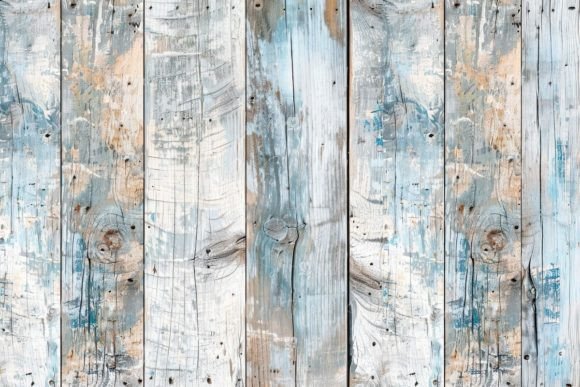
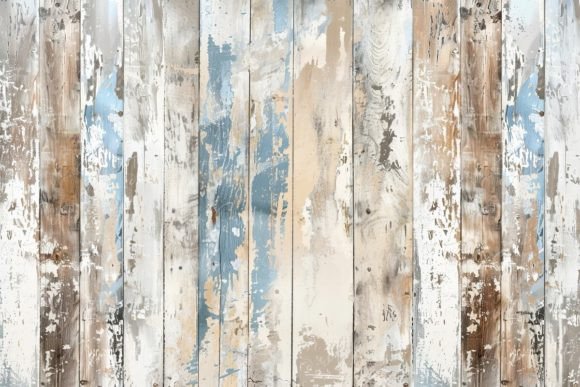
To truly understand the appeal of this texture, one must look beyond the surface. A genuine Rustic Weathered Wood Texture is not a uniform pattern. It is a complex tapestry of natural tones—grays bleached by the sun, deep browns rich with age, and the occasional ghost of a former color, now fractured and curling away from the grain. The wood itself tells a story through its knots, splits, and uneven edges. The distressed paint adds another layer, creating a visual hierarchy where history and raw material coexist.
This style possesses a distinct personality. It is unpretentious, rugged, and honest. It avoids the sterile perfection of synthetic materials, instead embracing the organic chaos of natural decay. The visual weight of such a texture is substantial; it grounds a design, offering a tactile quality that feels immediate and real. For a designer, this is not merely a background. It is a foundational element that can dictate the entire mood of a composition, steering it away from the clinical and toward the warmly familiar.
Strategic Applications: Where This Texture Creates Impact
The true power of a Rustic Weathered Wood Texture lies in its versatility. It is a chameleon, capable of adapting to various contexts while always retaining its core identity. Its applications span the full spectrum of creative and commercial projects, each time adding a layer of narrative depth.
- Brand Identity & Logo Design: For brands rooted in craftsmanship, organic products, artisanal goods, or outdoor adventure, this texture is invaluable. It communicates values of tradition, durability, and handcrafted quality without a single word. Think of a coffee roaster's logo set against a weathered plank, or a craft brewery's label featuring distressed wooden panels. The texture does the heavy lifting of brand perception, instantly signaling authenticity.
- Packaging & Editorial Design: On product packaging, especially for items like gourmet foods, natural cosmetics, or woodworking tools, this texture creates shelf appeal. It feels tangible, suggesting the product inside is equally genuine. In editorial design—for magazines, book covers, or zines focused on travel, history, or lifestyle—it sets a powerful scene, evoking a sense of place and time.
- Digital & Web Design: Used judiciously online, it breaks the monotony of flat design. It can serve as a compelling hero image, a section divider, or a textured background for a blockquote. In web design, it creates strong visual hierarchy, helping to separate content areas and guide the user's eye. However, its use requires careful consideration of file size and readability to ensure a positive user experience.
- Social Media & Marketing Graphics: In the fast-scrolling world of social media, texture grabs attention. A Rustic Weathered Wood Texture background makes text and product photos pop. It is particularly effective for Instagram posts, Pinterest pins, and Facebook ads for businesses in the home decor, vintage, or DIY spaces. It provides a consistent, recognizable frame for a brand's visual content.
It is crucial to remember that the colors you view on your screen will vary from the actual colors on a printed product. All monitors display color differently. Therefore, when using this texture for print projects like packaging or posters, always request a physical proof. The subtle interplay of grays, browns, and peeling whites can shift dramatically in print, and seeing the actual ink on paper is the only way to guarantee the intended effect.
Practical Guidance for Designers and Creators
Integrating a texture with this much character requires a thoughtful approach. It is a dominant design asset, and using it effectively is about balance, not force.
Evaluating Fit and Ensuring Readability
The first question is always about fit. Does the project's core message align with the themes of rusticity, history, or organic authenticity? If the answer is yes, proceed. The next critical step is readability. High-contrast text is non-negotiable. Pairing a clean, bold sans serif font or a sturdy serif font against the complex background of the wood ensures your message is not lost. Avoid overly ornate script fonts or thin, delicate typefaces, as they can become visually tangled with the texture's details.
Font pairing is where the magic happens. A premium font with strong, clear letterforms will stand up to the texture's visual noise. Consider using the textured background for large, impactful headings or as a contained panel, while keeping body text on a clean, solid color. This creates a clear visual hierarchy, allowing the texture to enhance rather than overwhelm.
Licensing, Styles, and Final Considerations
When sourcing your Rustic Weathered Wood Texture, pay close attention to the license. For any commercial use—in logo design, client work, or sold products—ensure you have a proper commercial license. Many design assets are available for personal use only. Review what is included. Are there multiple variations? Isolated knots or paint peels? Seamless tiles for repeating patterns? The more versatile the asset, the more value it provides.
Finally, context is everything. A single distressed plank might work for a subtle watermark, while a full wall of distressed wooden panels makes a bold statement for a hero section in web design. Test it. See how it interacts with your chosen color palette, your other design assets, and the overall brand identity you are building. The goal is to use this powerful texture to tell a more compelling, authentic story—one that resonates with an audience tired of the artificial and hungry for something real.