Natural Wood Texture Background: A Designer's Rustic Charm
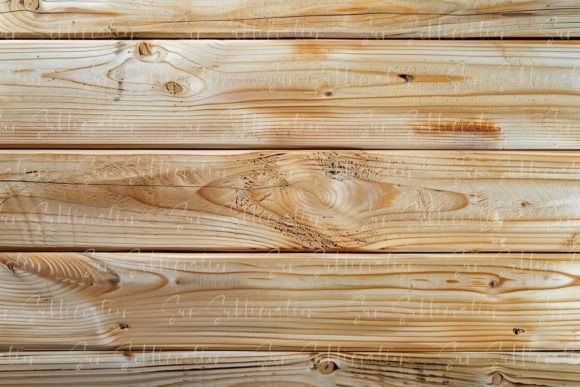
There's an undeniable warmth and authenticity that only real, natural materials can bring to a design. In a digital world saturated with sleek, synthetic visuals, the tactile, organic feel of wood stands out. The Natural Wood Texture Background captures this perfectly, offering a close-up of wooden planks radiating a warm, rustic charm. This isn't just another texture file; it's a design asset that instantly injects character, depth, and a sense of handcrafted quality into any project.
The Visual Storytelling of Wood Grain
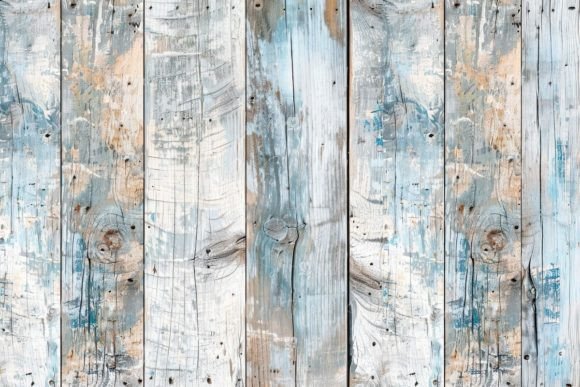
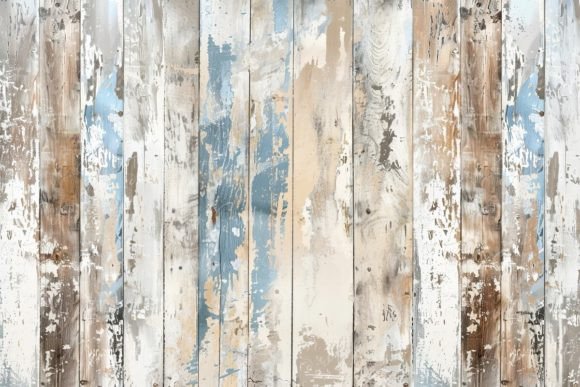
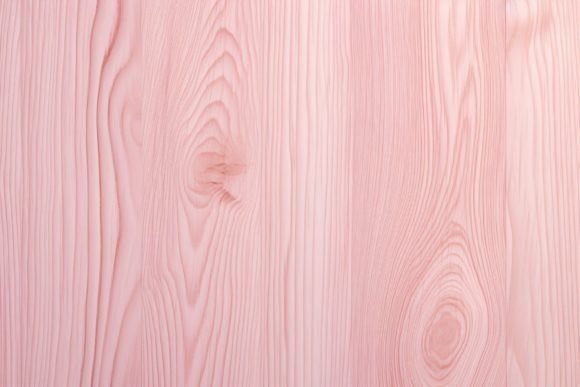
What makes this particular wood texture so compelling? Look closely. The grain patterns tell a story of growth and time, with subtle variations in tone from honeyed amber to deeper, richer browns. You can almost feel the smooth, sanded surface and see the faint, natural imperfections that make it genuine. This texture carries a personality—it’s honest, grounded, and inviting. It evokes feelings of comfort, tradition, and sustainability. For designers, it acts as a versatile backdrop that can make modern elements pop or complement other organic materials like linen, leather, or stone. It’s a foundation for building visual narratives that feel real and relatable.
Where This Texture Truly Shines: Practical Applications
Understanding where to deploy this Natural Wood Texture Background is key to unlocking its full potential. Its applications span a wide range of creative and commercial projects, each benefiting from its inherent warmth and credibility.
- Brand Identity & Logo Design: For brands in the craft, artisanal food, outdoor lifestyle, or eco-friendly spaces, this texture is gold. It can serve as the background for a logo, reinforcing a brand identity built on authenticity, nature, and craftsmanship. Imagine a coffee roaster's logo or a boutique woodworking shop's header image set against this grain.
- Packaging & Product Mockups: Give your product packaging a premium, rustic feel. Use it as a surface for mockups to show how a bottle, jar, or box would look in a real-world, lifestyle context. It adds instant credibility and a sense of tangible quality.
- Editorial & Web Design: As a background for blog headers, article feature images, or website sections, it creates a strong, engaging visual hierarchy. It pairs beautifully with both serif fonts for a classic, literary feel and clean sans serif fonts for a modern, rustic contrast. Think of a recipe blog, a travel journal, or a sustainable living website.
- Social Media Graphics & Marketing: Stand out in a crowded feed. Use this texture as a base for Instagram posts, Pinterest pins, or Facebook ads. It provides a consistent, recognizable aesthetic that can boost audience engagement. Overlay text in a complementary script font or a bold display font for announcements, quotes, or promotions.
- Digital & Print Collateral: From business cards and letterheads to digital presentations and e-book covers, the texture adds a layer of professionalism and style. It transforms standard documents into memorable brand touchpoints.
Making It Work: Design Strategy and Considerations
Simply using a beautiful texture isn't enough. Strategic application is what separates good design from great design. Here’s how to ensure the Natural Wood Texture Background elevates your work effectively.
Evaluating Project Fit: First, ask if the texture aligns with your project's core message. It’s perfect for themes of nature, tradition, craftsmanship, and warmth. It might clash with ultra-futuristic, minimalist, or cold, corporate projects. Context is everything.
Font Pairing is Critical: The texture itself is a strong visual element. Pair it with typefaces that can hold their own without creating chaos. A sturdy serif font like a premium font with clear letterforms works well for body text. For headlines, a bold sans serif font or an elegant script font can create a beautiful hierarchy. Always test readability by viewing your design at actual size. The wood grain should enhance, not compete with, your typography.
Leveraging the High-Resolution File: The 7680 x 5120 pixel, 300 dpi JPG format is a significant advantage. This commercial font asset (well, texture asset) is built for professional output. You can crop into specific sections for close-up details or use the entire expanse for large-format prints without losing quality. This flexibility is invaluable for packaging design or large banner printing.
Color Harmony and Overlays: The warm tones of the wood create a natural palette. Draw colors from the texture itself for your text and other graphic elements to ensure cohesion. Don’t be afraid to use semi-transparent color overlays or blend modes (like Multiply or Overlay) in your design software to tint the wood to match your brand’s specific color scheme while retaining its texture.
Commercial Use and Licensing: A crucial, practical note: since this is a design asset for purchase, you are acquiring the right to use it in your projects, including commercial ones. However, always review the specific license terms provided with your download. Typically, for assets like this, you cannot resell the texture file itself as part of a competing texture pack. Understanding this ensures you use your creative font and texture assets confidently and legally in all your professional work.
In the end, the Natural Wood Texture Background is more than a decorative element. It’s a tool for building trust, evoking emotion, and crafting designs that feel substantial and human. By applying it thoughtfully, you can transform a standard layout into something with genuine character and lasting appeal.