Victorian Fashion Journal Page Fussy Cut: Elevate Your Crafts
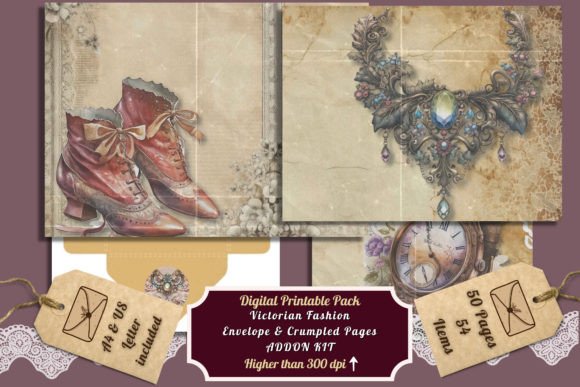
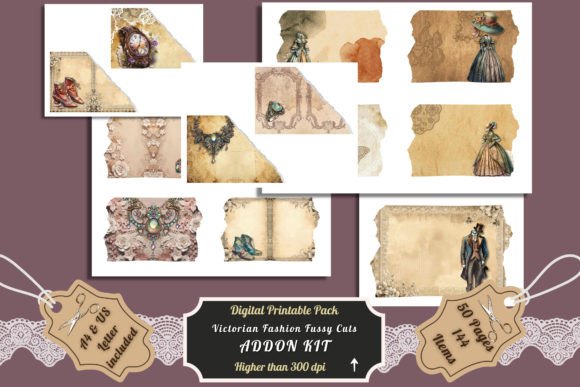
In the world of scrapbooking and mixed media, the term "fussy cut" refers to the meticulous process of cutting out intricate designs from paper by hand, leaving no background behind. When we talk about Victorian Fashion Journal Page Fussy Cut, we are discussing a specific niche of design assets that captures the elegance of the 19th century. This style isn't just about nostalgia; it is a sophisticated creative font alternative, translated into imagery. Instead of relying on a script font or handwritten font to convey a vintage mood, these ephemera pieces use actual Victorian illustrations to set the tone. The visual personality is defined by intricate lace patterns, elaborate corsets, high collars, and the distinct silhouettes of the era. It is a blend of high-class refinement and romantic decay, offering a texture that a standard typeface cannot achieve on its own.
The Visual Character: More Than Just Paper
Understanding the visual weight of these elements is crucial for any designer or crafter. Victorian fashion is inherently busy. It features layers of fabric, ruffles, and accessories that create a dense visual texture. When you utilize a Victorian Fashion Journal Page Fussy Cut collection, you are introducing a high-contrast element into your work. Unlike a clean sans serif font, which offers negative space and breathing room, these cuts provide rich detail.
The appeal lies in the "grunge" aesthetic of the era—ink bleeds, aged paper textures, and engraving styles. This style works exceptionally well for projects that need a touch of "dark academia" or romantic gothic themes. It transforms a flat digital page into something that feels tactile. For designers, this is an opportunity to use these cuts as background anchors or focal points that guide the viewer's eye, much like a large display font would in editorial design.
Practical Applications: Where This Style Thrives
The versatility of the Victorian Fashion Journal Page Fussy Cut extends far beyond traditional junk journaling. For brand identity, businesses in the beauty, skincare, or bespoke tailoring industries can leverage these visuals to communicate luxury and heritage. A modern skincare brand, for example, might pair a sleek modern typography logo with Victorian fussy cuts in their packaging inserts to suggest time-tested ingredients.
- Packaging Design: Use these cuts as labels or decorative seals for artisanal goods. The intricate details suggest a premium product.
- Social Media Graphics: In a feed dominated by minimalist sans serif layouts, a Victorian silhouette stands out. It creates an immediate stop-scroll effect.
- Web Design: While you wouldn't use these for body text (where a legible serif font is key), they work beautifully as hero images or section dividers for boutique websites.
- Logo Design: For a niche bakery or a vintage boutique, combining a fussy-cut illustration with a custom premium font can create a memorable mark.
Integrating Fussy Cuts into Modern Layouts
The challenge with Victorian elements is preventing the design from looking dated or cluttered. The key is contrast. If you are using a detailed Victorian Fashion Journal Page Fussy Cut as your main visual, balance it with a clean, geometric sans serif font for your body copy. This contrast creates a dynamic visual hierarchy. The Victorian element provides the emotion and personality, while the modern typography ensures readability and structure.
Consider the color palette as well. Victorian fashion was often colorful, but sepia, black and white, and muted jewel tones are most common in these digital kits. When using these in scrapbooking or card making, try isolating the subject and placing it against a solid, contemporary color block. This elevates the ephemera from "old paper" to a deliberate design choice. It allows the intricate details of the dress or accessory to pop without overwhelming the viewer.
Evaluating Quality and Licensing
When sourcing these design assets, quality is paramount. Because these are high-detail images, resolution matters. You need files that are at least 300 DPI to ensure that the fine lines of lace and embroidery don't turn into pixelated mush when printed. Always check the licensing terms. If you are a small business owner creating products for sale, such as handmade cards or digital planners, you must ensure the license covers commercial use.
Furthermore, look for variety within the kit. A good collection should offer different poses, angles, and accessory details. This allows you to create scenes and narratives rather than repeating the same image. By treating these fussy cuts with the same respect you would a high-end commercial font, you ensure your final product—whether a journal, a website, or a marketing flyer—feels cohesive and professionally curated. The goal is to use the past to enhance the present, creating a bridge between vintage charm and contemporary utility.