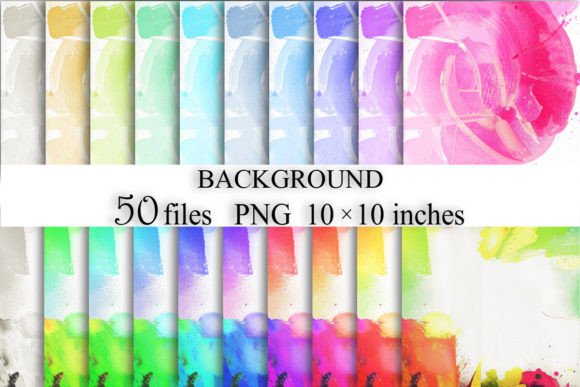
Unlocking Creativity with Watercolor Background Sublimation
There’s a certain magic that happens when digital precision meets the organic, flowing nature of traditional art. That’s exactly the space occupied by Watercolor Background Sublimation files. As someone who has spent years navigating the intersection of branding and production, I’ve seen trends come and go, but the appeal of watercolor textures remains timeless. When you download a bundle containing 50 high-resolution PNG files, you aren't just buying digital paper; you are acquiring a versatile toolkit designed to breathe life into everything from apparel to editorial design. These assets bridge the gap between a handmade aesthetic and the scalability required for modern commercial projects.
The Organic Soul of Digital Textures
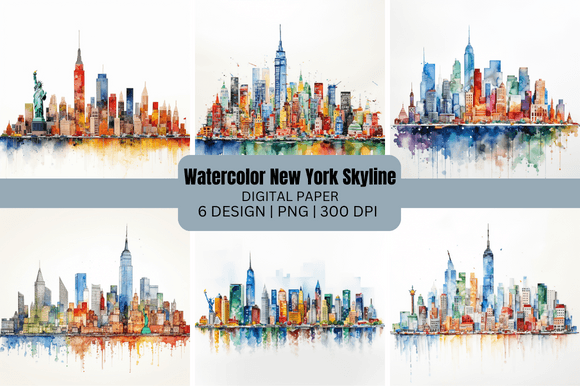
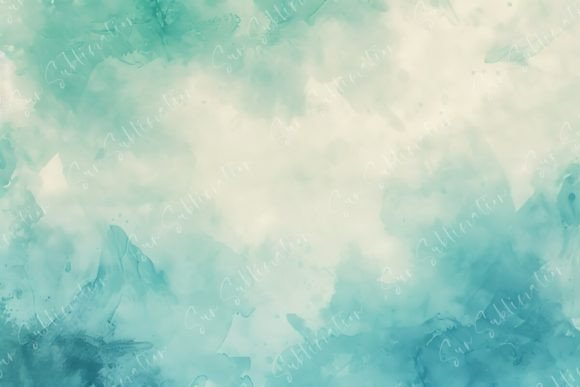
Understanding the visual personality of these backgrounds is key to using them effectively. Unlike flat, digital gradients, watercolor textures possess an inherent depth. They feature soft edges, pigment pooling, and unpredictable bleeds that mimic paint on wet paper. This "imperfection" is actually their greatest strength. In a world saturated with sterile, algorithm-generated graphics, a Watercolor Background Sublimation design offers a human touch. It creates an emotional connection with the viewer, suggesting authenticity, creativity, and care.
From a style perspective, these assets usually fall into two camps: abstract washes of color or thematic compositions. Whether you are working with soft pastels for a wedding invitation or vibrant, saturated hues for a streetwear brand, the visual weight of watercolor demands attention. It provides a rich canvas that can anchor a layout without overwhelming the foreground content. When applied correctly, it elevates a standard design into a piece of art, making it a premium design asset for any creator's library.
Practical Applications: From Pillow to Pixels
The versatility of this bundle is where the real value lies. Because you receive 50 distinct files, you have the latitude to maintain a consistent aesthetic across multiple platforms while keeping the visuals fresh. Here is how different professionals can leverage these assets:
- Apparel and Drinkware: This is the bread and butter of sublimation. The high resolution ensures that when you heat-press these designs onto a t-shirt or a ceramic mug, the texture remains crisp, not pixelated. The soft nature of watercolor pairs beautifully with fabrics, creating a vintage or artistic look that customers love.
- Brand Identity and Packaging: For small business owners, a unique background can define your brand identity. Using a specific watercolor wash on your packaging, business cards, and signage creates instant recognition. It tells a story of craftsmanship before the customer even reads the text.
- Digital Presence: Bloggers and web designers can use these PNGs as hero images or section dividers. In social media graphics, a watercolor background stops the scroll. It adds a layer of sophistication to Instagram stories or Pinterest pins that a solid color simply cannot achieve.
- Publishing and Invitations: The files are perfect for editorial design. They can serve as chapter dividers in a book or the base layer for a wedding invitation suite. The texture adds a tactile feel to the printed page, enhancing the reader's experience.
Strategic Design and Technical Execution
While the aesthetic is organic, using these files requires a strategic approach to typography and composition. Because watercolor backgrounds are visually busy, your foreground elements—text and logos—need to stand out clearly.
Mastering Typography on Texture
Choosing the right typeface is critical when layering text over these backgrounds. A delicate, thin script font might get lost in the pigment pooling of the watercolor. Instead, opt for bolder choices. A heavy sans serif font or a robust serif font with good weight will maintain legibility. If you want to use a handwritten font, ensure it is thick enough to contrast with the background texture. Sometimes, placing a semi-transparent shape or a solid bar behind your text can create the necessary separation, ensuring your message isn't sacrificed for the sake of the art.
File Management and Adaptability
The fact that these are high-resolution PNG files is a significant advantage. PNGs support transparency, which is crucial for layering. However, "high resolution" in a digital file doesn't always mean it's ready for a billboard. My advice is to always check the pixel dimensions against your output requirements. For a pillow or sign, you might need to scale the image up using professional software to avoid softness. Conversely, for web design or planners, you will likely need to optimize the file size to ensure fast load times without losing the vibrancy of the colors.
Evaluating Fit and Licensing
Before integrating these assets into a major campaign, it’s wise to test the waters. Download the bundle and experiment with font pairing. See how the specific hues interact with your brand’s color palette. Does the blue wash clash with your logo? Does the texture distract from the call to action?
Furthermore, understanding the licensing of commercial fonts and assets is non-negotiable for professionals. If you are creating products for sale—be it a t-shirt or a digital planner—you must ensure the license covers commercial use. Most reputable bundles of this nature are designed for business use, but it is always your responsibility to verify. This protects your business and respects the original artist's work.
Ultimately, Watercolor Background Sublimation offers a bridge between the artist's studio and the entrepreneur's shop. It allows you to infuse your products and content with a level of artistic detail that resonates deeply with modern audiences. By treating these files not just as "backgrounds" but as integral parts of your visual storytelling, you can create designs that feel personal, professional, and unforgettable.