Timeless Charm: The Victorian Era Christmas Ballroom Aesthetic
There is a specific kind of magic that happens when you step into a space designed for grandeur. It isn't just about the architecture; it is about the atmosphere. When we talk about the Victorian Era Christmas Ballroom aesthetic, we are discussing a visual language that speaks of velvet textures, gaslight ambience, and the intricate ironwork of the 19th century. For designers, marketers, and creative professionals, this specific style offers a reservoir of richness that modern minimalism often lacks. It provides a sense of history, weight, and celebration that is difficult to replicate with contemporary flat design alone.
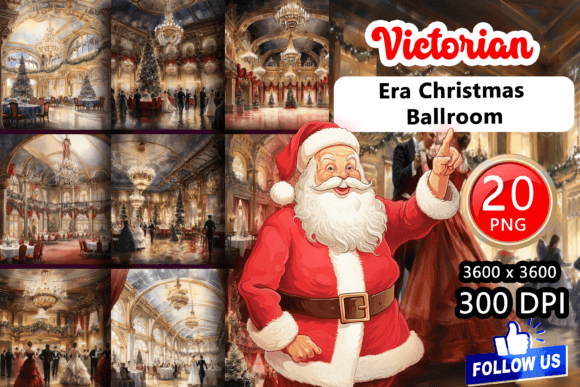
The Victorian period (1837–1901) was an era of industrial progress paired with a romanticized view of the past. This duality is perfectly captured in the imagery of a Christmas ballroom. You are looking at a blend of heavy materials—mahogany, marble, and brass—softened by the organic fragility of evergreen boughs, holly, and mistletoe. The lighting in these settings is crucial. It is rarely a harsh flood of light; instead, it is the flicker of candelabras and chandeliers, creating deep shadows and warm highlights. When you utilize a collection of high-resolution images depicting a Victorian Era Christmas Ballroom, you are tapping into a "moody" aesthetic that feels both intimate and expansive.
Strategic Applications for the Modern Creative
Understanding where this visual style fits into your portfolio is essential for practical application. A collection of Victorian Era Christmas Ballroom images is not just for history textbooks; it is a versatile design asset that can elevate a variety of projects. The key is to match the visual complexity of the ballroom with projects that require a similar level of sophistication or emotional depth.
For those in the hospitality and events industry, the application is obvious but profound. If you are designing invitations for a gala, a corporate holiday party, or a wedding with a vintage theme, these visuals provide an instant narrative. They tell the guest, "This is an event of significance." In packaging design, particularly for luxury goods like artisanal chocolates, high-end spirits, or scented candles, the textures of a Victorian ballroom—think polished wood and gold leaf—communicate quality and craftsmanship before the customer even opens the box.
Furthermore, consider the digital landscape. In a sea of flat, vector-based social media graphics, a rich, high-resolution image of a Victorian ballroom stops the scroll. It introduces texture and depth. For brand identity work targeting a niche market—such as a bespoke tailor, a vintage tea room, or a heritage watchmaker—these images serve as the perfect backdrop for hero sections on websites. They anchor the brand in a tradition of excellence. The Victorian Era Christmas Ballroom aesthetic acts as a visual metaphor for durability and timelessness, traits that many consumers actively seek out in a disposable culture.
Visual Hierarchy and Brand Perception
When integrating this style into your work, you are doing more than just decorating; you are influencing how the audience perceives the message. In modern typography and layout design, we often talk about "visual weight." The Victorian aesthetic is heavy. It commands attention. By using imagery of a ballroom, you instantly establish a visual hierarchy that feels grounded.
Consider how this affects brand perception. A brand that utilizes the elegance of a Victorian Era Christmas Ballroom is perceived as established, trustworthy, and detail-oriented. It suggests that the brand values tradition and does not cut corners. This is particularly effective for entrepreneurs in the luxury sector. When a customer sees the intricate details of the ballroom—the crystal, the architectural molding—they project those qualities onto the product or service being offered. It is a psychological shortcut to establishing prestige.
However, this heavy aesthetic requires a careful approach to typography and layout to ensure readability and engagement. Because the background imagery is rich and detailed, your foreground text must have high contrast. This is where the choice of typeface becomes critical. A thin, delicate script font might disappear into the intricate patterns of the ballroom. Instead, consider using a bold serif font or a clean, wide-tracked sans serif font. The contrast between a modern, clean font and a complex Victorian background creates a dynamic tension that is visually appealing. It bridges the gap between the "old world" charm and modern usability.
Practical Integration and Font Pairing
To get the most out of a Victorian Era Christmas Ballroom collection, you need to treat the images as part of a larger system rather than standalone decorations. Here are some practical guidelines for integrating this aesthetic into your web design, editorial design, and social media graphics:
- Creating Depth with Overlays: Never place white text directly onto a raw, high-detail photograph. The image will fight the text for dominance. Instead, use a semi-transparent overlay. A dark vignette or a gradient overlay (fading from transparent to black) can create a "safe zone" for your text. This ensures that your logo design or headline remains the focal point while the ballroom imagery provides the mood.
- Color Palette Extraction: The Victorian palette is distinct. It usually involves deep jewel tones—emerald green, ruby red, sapphire blue—anchored by metallics like gold, brass, and copper. When working with these images, pull these specific hex codes to use in your buttons, borders, or typography colors. This creates a cohesive brand identity that feels curated rather than accidental.
- Font Pairing Strategy: As mentioned, contrast is king. If you are using a premium font with this style, look for typefaces with high x-heights and distinct serifs that can stand up to the visual noise. A popular strategy in editorial design is to pair a decorative display font for the main header (used sparingly) with a highly legible sans serif font for body copy. This balances the theatricality of the Victorian theme with the necessity of clear communication.
- Resolution and Cropping: High-resolution assets (300 DPI) are a gift for print designers. Use them for full-bleed backgrounds on brochures or posters. However, don't be afraid to crop aggressively. You don't always need the whole room. A close-up of a velvet curtain, a detail of a chandelier, or a corner of a holly-decorated mantelpiece can be just as evocative as the full panoramic view. This allows you to create a series of social media graphics that feel connected but varied.
Ultimately, the goal is to use the Victorian Era Christmas Ballroom imagery to evoke a feeling of nostalgia and warmth. It is about transporting your audience to a moment in time where celebration was synonymous with elegance. Whether you are a crafter making holiday cards or a marketer launching a winter campaign, these visuals offer a sophisticated foundation that elevates the mundane to the magnificent.
Commercial Licensing and Project Fit
Before diving into a project, always verify the usage rights of your assets. When sourcing a collection like the Victorian Era Christmas Ballroom, ensure the licensing covers your specific needs. If you are a small business owner creating merchandise—such as mugs, tote bags, or prints—you generally need a commercial license that allows for reproduction. If you are a publisher using the images for a book cover or interior layout, confirm that the resolution (300 DPI) is sufficient for the print size required.
Evaluate the fit of the imagery based on the "mood" of your client. A Victorian Era Christmas Ballroom suggests formality, tradition, and romance. It might not be the right fit for a tech startup aiming for a sleek, futuristic vibe, but it is perfect for a law firm's holiday card, a vintage clothing brand's lookbook, or a heritage bakery's menu. By aligning the historical weight of the imagery with the brand's values, you create a cohesive narrative that resonates with the target audience.