Abstract Fluid Waves: Dynamic Motion for Modern Design
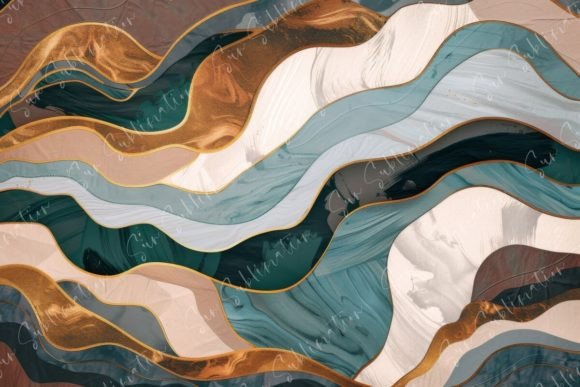
When you first encounter the Abstract Fluid Waves artwork, it feels less like a static image and more like a moment captured in time. The interplay of green, gold, teal, and beige creates a sense of organic movement that is difficult to achieve digitally. This isn't just a background texture; it is a foundational piece of visual storytelling. For designers and brand strategists, finding assets that convey sophistication without being rigid is rare. This particular piece achieves that balance through its fluid patterns, offering a visual language that speaks of creativity, nature, and high-end aesthetics. It serves as a versatile asset for anyone looking to infuse their projects with a sense of flowing energy and professional polish.
The Aesthetic Power of Fluid Motion
The visual personality of Abstract Fluid Waves lies in its color harmony and texture. The combination of cool tones like teal and green with the warmth of gold and the neutrality of beige creates a sophisticated palette. This specific color story is not accidental; it taps into current design trends that favor earthy yet luxurious tones. In branding, color psychology is a driving force. Green often signals growth or sustainability, gold implies value and premium quality, teal suggests creativity and calm, and beige provides a grounding, trustworthy base. When these colors flow together in abstract waves, the result is a design asset that feels both dynamic and stable.
For creative professionals, the appeal of this artwork extends beyond its color palette. The "fluid" aspect introduces a sense of movement that static geometric patterns often lack. In modern typography and layout design, contrast is key. Pairing a rigid, structured sans serif font against the organic curves of these waves can create a powerful visual hierarchy. Imagine a clean, white logo placed over this texture; the contrast makes the text pop while the background adds depth and context. This is particularly useful in editorial design, where a striking hero image can set the tone for an entire magazine spread or website homepage. The artwork acts as a canvas that enhances, rather than distracts from, the core message.
Practical Applications for Brand Identity
Understanding where Abstract Fluid Waves fits into your workflow is essential for maximizing its value. This is not merely a decorative element; it is a strategic tool for brand identity. For entrepreneurs and small business owners, establishing a visual identity that stands out in a crowded market is a primary challenge. This artwork can serve as a cornerstone for that identity.
Consider the following practical applications:
- Digital Presence and Web Design: Use the image as a hero background for a landing page. The high resolution ensures it looks crisp on large monitors, while the colors provide excellent contrast for overlaying white or dark text. It works exceptionally well for wellness brands, creative agencies, or financial consultants who want to appear approachable yet authoritative.
- Social Media Graphics: Consistency is vital in social media marketing. This texture can be used as a recurring background for Instagram posts, Pinterest pins, or Facebook covers. The 4500 x 3000 pixel size gives you plenty of room to crop and reframe the composition for different aspect ratios without losing quality. Whether you are announcing a sale or sharing a quote, the fluid waves add a professional sheen that elevates casual content.
- Packaging and Print Design: The 300 DPI resolution makes this file print-ready. For crafters and hobbyists, this is perfect for creating custom stationery, greeting cards, or notebook covers. For businesses, consider using it on packaging sleeves or product labels. The organic flow of the waves suggests a product that is natural, well-crafted, or artisanal.
- Presentation Backgrounds: Corporate presentations often suffer from being sterile and boring. Using Abstract Fluid Waves as a slide background can transform a standard deck into an engaging visual experience. It helps maintain audience engagement without being overly distracting, provided the text remains legible.
Integrating the Artwork with Typography
A common question among designers is how to pair typography with such a dynamic background. The key is to treat the Abstract Fluid Waves as a supporting character, not the protagonist. The text or logo must remain the focal point. Because the waves are abstract and lack hard edges, they are incredibly forgiving when it comes to font pairing.
For a modern, luxury feel, pair the artwork with a clean sans serif font. The geometric simplicity of the letters will contrast beautifully with the organic shapes in the image. If you are aiming for a more traditional or elegant vibe, a serif font with high contrast can work well, especially if the text is large and spaced out. Avoid overly busy script fonts or handwritten fonts for body copy, as they can get lost in the movement of the waves. However, a bold display font used for a single headline can look stunning against this backdrop.
When testing font pairings, pay close attention to legibility. You may need to add a slight overlay or a drop shadow to your text to ensure it stands out. Alternatively, place your text in areas of the image where the color is more uniform—for instance, over the beige sections—to ensure maximum readability. This artwork is a premium font companion; it treats typography with respect by providing a rich, textured stage for the letters to perform on.
Technical Specifications and Usage Tips
The technical quality of a design asset determines its versatility. This artwork is provided as a JPEG file at 300 DPI, measuring 4500 by 3000 pixels. This specification is crucial for professional use. A resolution of 300 DPI is the industry standard for print, meaning you can confidently use this for high-quality brochures, flyers, and posters. The large pixel dimensions allow for significant scaling; you can zoom in to focus on a specific section of the waves or scale it down for web use without pixelation.
It is important to manage color expectations. As noted, the colors you see on your screen may vary from the final printed product. Monitors display color using light (RGB), while printers use ink (CMYK). The rich gold and vibrant teal might appear slightly more muted in print. To mitigate this, it is always recommended to do a small test print if you are using this for a large commercial run. However, for digital use—such as web design or social media graphics—the colors will remain vibrant and consistent across most modern devices.
Here is a checklist for evaluating if this asset fits your project:
- Brand Alignment: Does your brand identity rely on organic, flowing, or luxurious themes? If your brand is strictly industrial or gritty, this might not be the right fit.
- Project Scope: Are you creating a hero image, a background texture, or a print asset? The high resolution covers all these bases, but planning your layout beforehand ensures you use the space effectively.
- Licensing: This is a commercial font and artwork asset. Ensure you understand the license. Generally, for items sold in this format, you are purchasing the right to use the image in your end projects (logos, websites, prints) but cannot resell the raw file itself.
Abstract Fluid Waves offers a unique blend of artistic flair and commercial utility. It bridges the gap between raw creativity and practical application, making it a valuable addition to any designer's library of design assets. Whether you are refreshing a brand identity or launching a new marketing campaign, these dynamic patterns provide the visual interest needed to capture and hold attention in a fast-paced digital world.