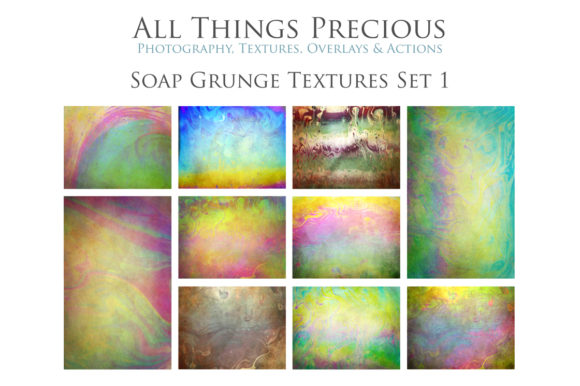
10 Digital Soap Grunge Textures for Creative Projects
Sometimes, a project needs more than just clean lines and perfect gradients. It needs a bit of grit, a touch of real-world imperfection, and a layer of visual interest that tells a story. That's precisely where the 10 Digital Soap Grunge Textures collection comes in. This isn't just another set of generic backgrounds; it's a curated toolkit of high-resolution assets designed to inject depth, character, and a unique artistic flair into your work.
At its core, this collection is built from real photographs of soap bubbles, overlaid with a grunge texture. The result is a fascinating visual dichotomy. You get the ethereal, iridescent quality of bubbles—those delicate, swirling color patterns—fused with the raw, tactile feel of a distressed, grungy surface. Imagine the soft, rainbow sheen of a soap film, but with a subtle, weathered overlay that gives it a vintage or industrial edge. This blend creates textures that are both delicate and robust, playful yet sophisticated. They are perfect for creating your very own fine art images, art work or even scrapbooking background.
Where These Textures Shine: Practical Applications
The versatility of these textures is one of their strongest points. Because each file is a massive 4000x6000 pixels at 300dpi, they are true workhorses for both digital and print projects. You can use them as full backgrounds for website hero sections, social media graphics, or digital magazine layouts without worrying about pixelation. For print, they're ideal for large-format posters, art prints, packaging design, and even book covers. The high resolution ensures that when you print in a large size, you don't lose any of the overall image quality.
For designers and brand strategists, think of these as a secret weapon for creating a distinctive brand identity. A soap grunge texture can be used subtly behind a logo to add depth, or as a dominant background element for a campaign that aims for an artistic, handcrafted feel. Bloggers and content creators will find them invaluable for making Pinterest pins, Instagram stories, and YouTube thumbnails that stand out in a crowded feed. The textures add instant visual weight and intrigue, making your content more clickable and shareable.
Integrating Textures into Your Design Workflow
Working with these assets is straightforward. As JPEGs averaging between 4MB and 7MB, they are large files, but that's a direct reflection of their quality. In software like Adobe Photoshop, Affinity Photo, or even Canva, you can easily place them as a layer. The real magic happens when you experiment with layer blending modes. Try Multiply or Overlay to let the colors and patterns of your underlying design show through the texture. Use Screen or Lighten for a more ethereal, faded effect. Adjusting the opacity is key—sometimes a texture at just 20% opacity is all you need to add a professional, cohesive feel to your entire project.
A critical piece of practical guidance: always consider the personality of your project. These textures carry a modern yet vintage vibe. They would pair beautifully with a clean, geometric sans serif font for a contemporary look, or with a classic serif font for something more editorial and refined. Avoid pairing them with overly ornate or busy script fonts, as the visual texture might compete with the typography's detail. The goal is to use the texture to enhance your visual hierarchy, not to create visual noise.
Making the Most of Your Investment
When you acquire a set of design assets like the 10 Digital Soap Grunge Textures, you're investing in creative potential. To evaluate if they're the right fit for a specific job, start by asking what mood you need to evoke. Does the project call for a sense of authenticity, artistic expression, or tactile realism? If yes, these textures are likely a strong candidate. Test them quickly by placing one behind your key design elements. Does it complement or overwhelm? Does it add the right kind of energy?
Font pairing becomes an interesting exercise with such textured backgrounds. Since the textures provide a complex visual field, your typography needs to be exceptionally clear. This often means choosing a premium font with good x-height and open counters for readability. A bold, simple display font for headlines can stand up well against the texture, while body copy might require a more neutral, highly legible typeface. Always do a readability test on both desktop and mobile screens, as texture can behave differently across devices.
Finally, understand the scope of your license. These textures are provided for a wide range of commercial and personal projects, which is essential for professionals. You can confidently use them in client work, products for sale, marketing materials, and personal portfolios. This freedom makes them a valuable addition to any creative's digital toolkit, offering endless possibilities for enhancing your brand identity, elevating your editorial design, or simply making your personal art projects more compelling. They are a practical, high-quality solution for adding that essential layer of real-world character to your digital creations.